
Occupational therapy in pediatrics focuses on supporting children’s development and everyday functioning. At Poliklinika SILAB in Zagreb, occupational therapy for children is part of a comprehensive pediatric rehabilitation program designed to help children develop the motor, cognitive, and functional skills needed for daily life.
How Does Occupational Therapy for Children Work?
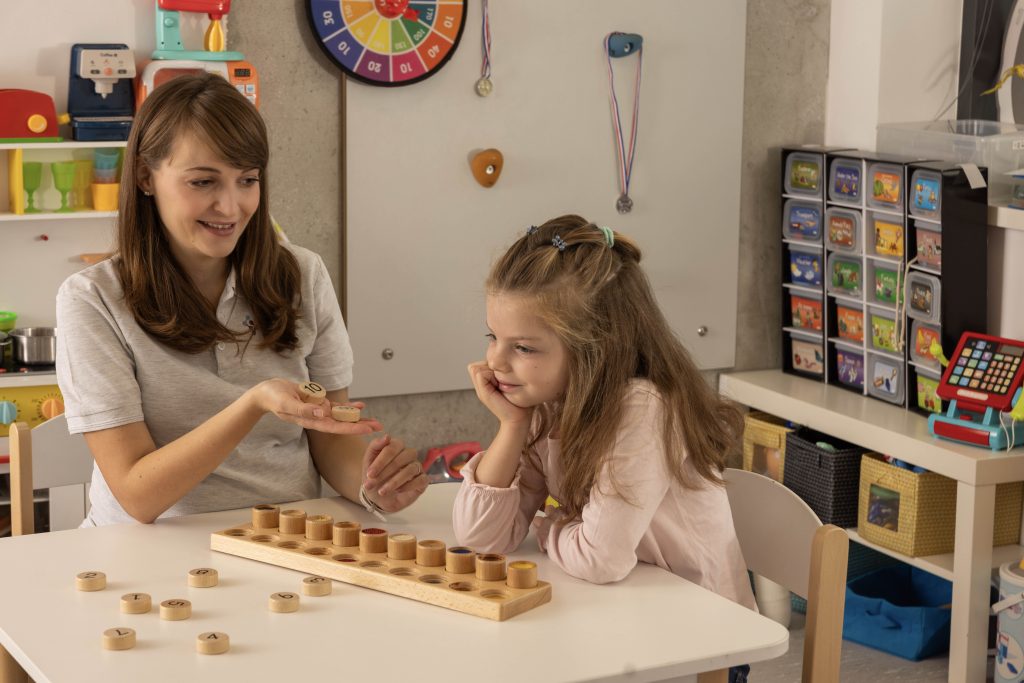
Occupational therapists assess each child’s abilities using modern assessment tools and evidence-based methods. Therapy is then tailored to the individual needs and goals of the child. Interventions focus on developing:
- fine motor skills and hand-eye coordination
- muscle strength and sensory processing abilities
- cognitive skills, including attention, learning, and information processing
Who Can Benefit from Occupational Therapy?
Occupational therapy is commonly provided for children with:
- neurodevelopmental disorders, including Autism Spectrum Disorder (ASD) and ADHD
- cerebral palsy and other neurological conditions
- genetic syndromes and intellectual disabilities
- sensory processing difficulties
- delayed motor development
- learning difficulties
Through structured activities and real-life situations, children learn and practice the skills needed for dressing, feeding, personal hygiene, and participation in play.
Modern Approaches in Occupational Therapy
Technology-assisted approaches are increasingly being used in modern pediatric rehabilitation. The use of technology, including robotics, serves as a valuable tool that complements traditional interventions and supports improved motor and sensory outcomes.
These approaches allow for:
- precise control of movement and repetition
- immediate feedback for the child
- support for the development of motor patterns and coordination
- increased motivation through engaging and interactive activities
Early Intervention – Support from the Very Beginning
Early intervention services are designed for infants and young children from birth to two years of age. Occupational therapy in early intervention is based on a family-centered approach that emphasizes empowering parents and supporting the entire family.
Therapists:
- teach parents effective interaction strategies
- provide support in managing everyday challenges
- help strengthen parenting skills and reduce stress
- support siblings in adapting to family dynamics
Occupational Therapy and Academic Success
Occupational therapy also plays an important role in supporting academic achievement and the development of social and emotional skills. Through therapeutic activities, children learn to:
- manage frustration and anger more effectively
- develop positive behavioral patterns
- build confidence and a sense of achievement
Improved coordination, motor abilities, and handwriting skills can make it easier for children to participate in school tasks such as writing, copying from the board, using computer-based tools, and engaging in sports and recreational activities.
A Team Approach and Family Collaboration
In addition to individual and group therapy sessions, pediatric occupational therapists work closely with parents, preschool teachers, school staff, and rehabilitation professionals to ensure comprehensive support for the child. They assist with:
- selecting and adapting assistive devices
- guidance regarding school accommodations and support services
- recommendations for promoting development at home
Because occupational therapists work directly with children, activities are designed to be engaging, motivating, and appropriate for the child’s age and developmental stage.
The Goal of Occupational Therapy in Pediatrics
The goal of occupational therapy is to empower children to achieve the highest possible level of independence, confidence, and functional ability, enabling them to participate actively and successfully in family life, school, and the wider community.
Assessment and Consultation
Therapy begins with an assessment and consultation for both the child and parents.
Therapy and Packages
Consistent therapy is recommended for the best outcomes.
Frequently Asked Questions (FAQ)
1. How often should a child attend occupational therapy?
The frequency of therapy sessions depends on the therapist’s assessment and the individual needs of the child. In most cases, therapy is provided once or twice a week. The duration of the therapy process varies from child to child. Some children show progress within a shorter period, while more complex difficulties may require longer-term and ongoing intervention. Progress is regularly evaluated, and the therapy plan is adjusted according to the child’s development and needs.
2. When can the first results of occupational therapy be expected?
The first improvements are often noticeable within a few weeks of consistent therapy. The development of functional skills requires time, repetition, and consistency. It is important to remember that every child is unique, and the pace of progress depends on their individual abilities, the nature of their difficulties, and the support they receive from their environment.
3. Is occupational therapy for children provided individually or in groups?
Therapy is most often provided on an individual basis to ensure that goals and activities are fully tailored to the child’s specific needs. Depending on the therapeutic objectives, children may also participate in paired sessions or small group therapy, particularly when the focus is on developing social skills, cooperation, and communication.
4.How can parents support their child at home?
Uloga roditelja iznimno je važna. Terapeut će vam dati konkretne smjernice, prijedloge aktivnosti i strategije koje možete provoditi kroz svakodnevne rutine, igru, odijevanje, hranjenje, pisanje i organizaciju vremena. Kontinuirana primjena preporuka kod kuće značajno doprinosi napretku djeteta.
5. Does a child with developmental difficulties need accommodations in preschool or school?
Depending on the assessment, a child may require specific accommodations, adapted tasks, additional time to complete activities, or modifications to equipment and their learning environment. An occupational therapist can work closely with preschool teachers and school staff to recommend practical strategies that support the child’s participation and success in educational settings.