
Occupational therapy for adults at Poliklinika SILAB is focused on empowering individuals to achieve effective recovery following illness, injury, or the progression of a chronic condition. Its purpose is to support a safe and sustainable return to meaningful daily activities that provide structure, purpose, and independence.
When Can Occupational Therapy Help Adults?
Occupational therapy plays an important role in rehabilitation and recovery for individuals experiencing:
- stroke and neurological conditions affecting movement and independence
- hand and wrist injuries
- upper limb fractures
- rheumatoid arthritis and inflammatory joint conditions
- neurological disorders that limit hand function and daily activities
- chronic fatigue, pain, or cognitive difficulties that interfere with everyday functioning
The goal of therapy is to restore hand function, improve coordination, and enable individuals to perform daily activities safely and independently.
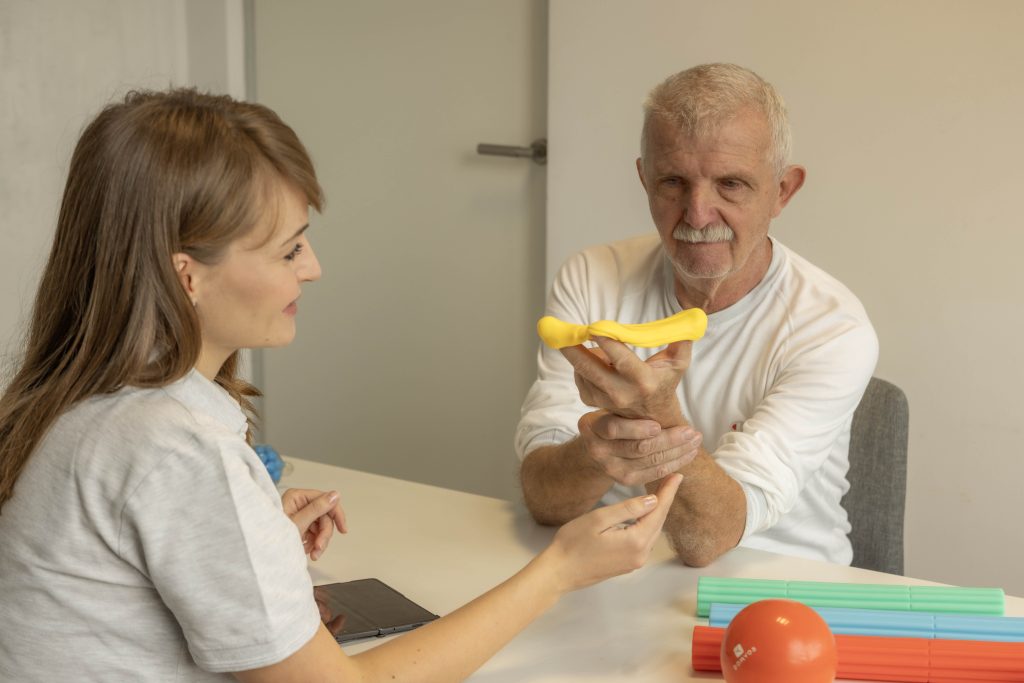
What Is the Focus of Occupational Therapy?
At the core of occupational therapy are occupations – the activities that people need, want, or enjoy doing, such as self-care, work, household management, and participation in social life. When the ability to perform these activities is reduced, independence and self-confidence can be significantly affected.
This is where structured rehabilitation begins, providing systematic and individualized support through clearly defined goals and carefully planned interventions.
What Does Occupational Therapy for Adults Look Like in Practice?
The process begins with a detailed assessment of daily functioning, including how an individual manages activities such as getting out of bed, personal hygiene, dressing, meal preparation, and organizing daily routines.
The assessment considers physical abilities as well as attention, memory, emotional well-being, motivation, and the individual’s personal priorities.
Based on the assessment, an individualized treatment plan is developed to support effective long-term recovery. Examples of occupational therapy interventions include:
- exercises to improve hand mobility and strength, combined with learning safer ways to perform activities
- activity pacing and environmental adaptations for individuals experiencing chronic fatigue or pain
- the use of reminders, structured routines, and step-by-step strategies to support cognitive difficulties
The Goal of Occupational Therapy for Adults
Occupational therapy is not focused solely on symptoms – its primary goal is to improve everyday life. With the support of an occupational therapist, individuals gradually regain an active role in their daily responsibilities and activities while developing a greater sense of control, confidence, safety, and dignity.
Assessment
Therapy begins with an assessment of functional abilities and daily activities.
Therapy and Consultation
Choose individual therapy sessions or professional consultation according to your needs.
Frequently Asked Questions (FAQ)
1. How often should I attend occupational therapy for it to be effective?
The frequency of occupational therapy sessions is tailored to each individual’s needs and goals. Sessions may be scheduled once a week or more frequently, depending on the treatment objectives and the progress being achieved. The therapy schedule is determined in consultation with the occupational therapist.
2. How soon can I expect to see progress from occupational therapy?
Progress depends on the individual’s condition, diagnosis, and level of engagement in the therapy process. Initial improvements are often noticeable after just a few sessions, while the long-term benefits of occupational therapy continue to grow with consistent participation and ongoing practice.
3. What if I have chronic pain or limited mobility?
Therapy is fully tailored to the individual’s abilities and current functional level. Patients learn adapted strategies and techniques for performing daily activities, helping to make everyday tasks safer, less demanding, and more manageable despite existing physical or functional limitations.
4. Will I be able to apply what I learn independently at home?
Yes. One of the primary goals of occupational therapy is to help individuals apply the skills and compensatory strategies they learn independently at home, at work, and during leisure activities. The occupational therapist provides guidance, education, and ongoing support until the desired level of independence is achieved.
5. What if my needs change during therapy?
The occupational therapy plan is not static – it is continuously adapted to changes in the individual’s condition and evolving goals. New priorities, activities, and therapeutic techniques are introduced whenever progress or changing needs require adjustments to the treatment approach.