
What Is Kinesiotaping?
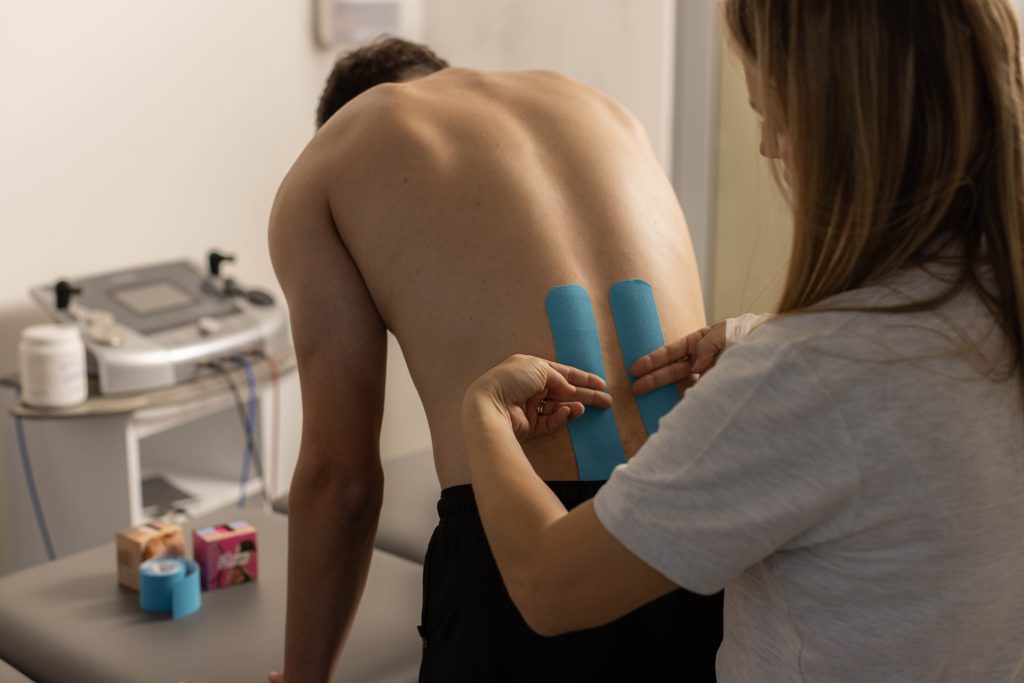
Kinesiotaping is a modern physiotherapy technique that involves the application of specially designed elastic therapeutic tapes to support muscles and joints while helping to reduce pain, tension, and swelling during rehabilitation. Kinesiology tape is made from an elastic material with properties similar to human skin, allowing natural movement without restricting range of motion.
In physiotherapy practice, kinesiotaping is used as an adjunct treatment that can help reduce tissue pressure, improve circulation, and support the body’s natural recovery processes.
When Is Kinesiotaping Used?
Kinesiotaping is commonly used in the management of various musculoskeletal conditions and injuries, particularly for:
- muscle and joint pain
- increased muscle tension
- edema (swelling) following injury or surgery
- sports-related soft tissue injuries
- rehabilitation after fractures
- conditions requiring support of lymphatic drainage
- pain caused by overuse or poor posture
In post-fracture rehabilitation, kinesiotaping can play an important role in reducing swelling, relieving muscle tension, and providing additional support to weakened structures. This can make movement more comfortable and facilitate a gradual return to daily activities.
How Does Kinesiotaping Work?
Once applied to the skin, kinesiology tape creates a gentle lifting effect on the superficial tissues, helping to reduce pressure on pain receptors and improve local blood and lymphatic circulation. Depending on the application technique and direction, the tape can either facilitate or inhibit muscle activity, allowing the therapist to precisely target the desired therapeutic effect.
A Combined Rehabilitation Approach at Poliklinika SILAB
In modern physiotherapy practice, kinesiotaping is rarely used as a standalone treatment. At Poliklinika SILAB, kinesiotaping is always combined with other rehabilitation techniques, including manual therapy, therapeutic exercise, edema management strategies, and other evidence-based physiotherapy interventions.
This integrated approach supports more effective and long-lasting pain relief, faster reduction of swelling, and a safer, more efficient recovery of movement and function.
Frequently Asked Questions (FAQ)
1. What is kinesiotaping used for?
Kinesiotaping is used to help reduce pain, muscle tension, and swelling, while providing support to muscles and joints during rehabilitation. Depending on the taping technique and application method, kinesiology tape can promote lymphatic drainage, enhance stability, or facilitate or inhibit muscle activity to achieve specific therapeutic goals.
2. Is kinesiotaping painful?
No. Kinesiotaping is a painless physiotherapy technique. The tape is applied gently to the skin and does not restrict movement or interfere with normal daily activities. Most individuals quickly adapt to wearing the tape and can continue their usual routines without discomfort.
3. How long should kinesiology tape be worn?
Kinesiology tape is typically worn for 3 to 5 days, depending on the area of the body being treated and the therapeutic objective. The physiotherapist will determine the optimal duration of application based on the individual’s condition and treatment goals.
4. Can I shower while wearing kinesiology tape?
Yes. Kinesiology tape is water-resistant, allowing individuals to shower and carry out their normal daily activities without concern that the tape will become damaged or peel off prematurely.
5. Can kinesiotaping help with muscle or joint pain?
Yes. Kinesiotaping is commonly used for muscle and joint pain, sports injuries, swelling following injury, and rehabilitation after fractures and surgical procedures. To determine whether this treatment is appropriate for your condition, we recommend consulting a physiotherapist at Poliklinika SILAB.