Multiple sclerosis is a chronic neurological disease that affects the central nervous system and can gradually change the way a person walks, maintains balance, and performs everyday activities. This is why multiple sclerosis and rehabilitation are closely connected, and properly guided therapy plays an important role in preserving functionality, independence, and quality of life.
The symptoms and progression of the disease vary from person to person, which is why rehabilitation should always be individually tailored to the patient’s current condition and abilities.
What Are the Most Common Symptoms of Multiple Sclerosis?
The most common symptoms include:
- muscle weakness
- stiffness and spasticity
- balance impairment
- difficulty walking
- reduced movement coordination
- significant fatigue
- instability during movement
- reduced endurance
Why Is Rehabilitation Important in Multiple Sclerosis?
Properly guided therapy can help:
- maintain muscle strength
- improve balance and stability
- preserve mobility
- reduce the risk of falls
- improve movement coordination
- increase safety during walking and transfers
- make everyday activities easier
What Does Rehabilitation for Multiple Sclerosis Look Like?
The Role of Physical Therapy in Multiple Sclerosis
Therapy may include:
- balance and stability exercises
- activation of the core and leg muscles
- coordination training
- mobility exercises
- gait training
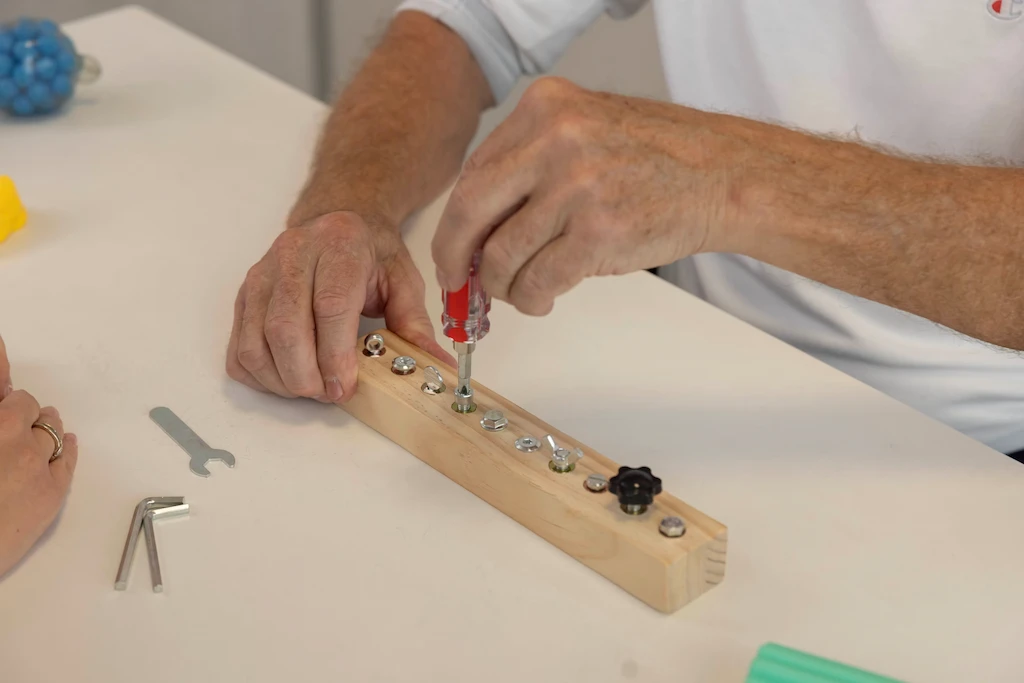
- functional activities related to everyday life
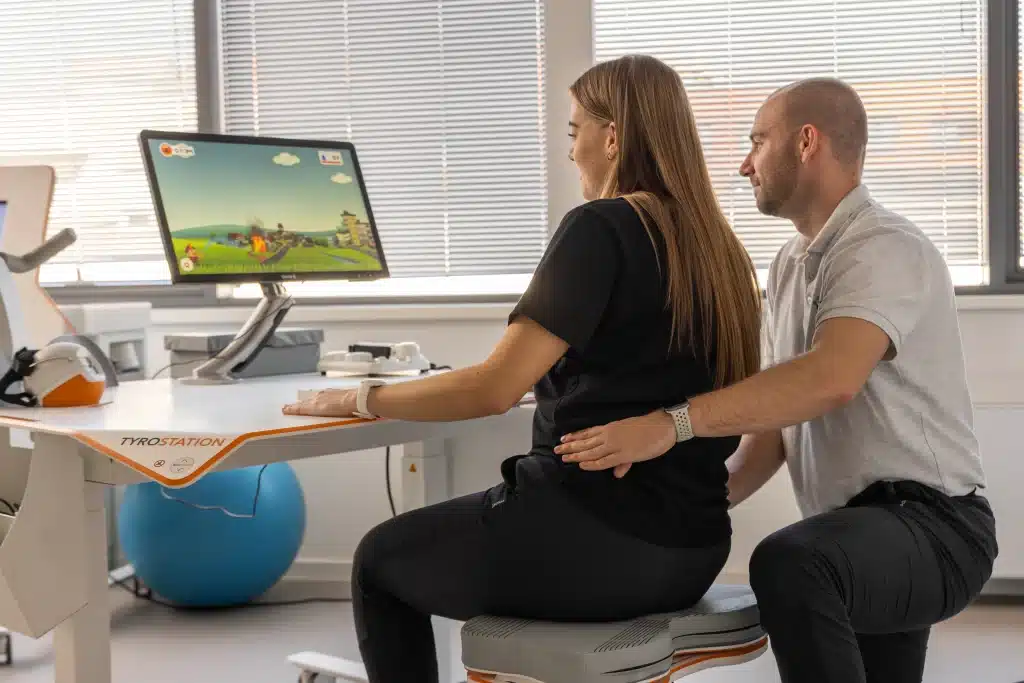
How Does Robotic Rehabilitation Help?
For people with multiple sclerosis, robotic devices can help with:
- gait training
- improving balance
- activation of weakened muscles
- developing a more stable movement pattern
- increasing safety during therapy
Robotic rehabilitation enables more precise monitoring of progress and allows therapy intensity to be adjusted according to the patient’s abilities.
Fatigue in Multiple Sclerosis and the Importance of Adapting Therapy
For this reason, it is important to:
- adjust the duration and intensity of exercises
- allow sufficient rest between activities
- avoid overexertion
- monitor the body’s response during therapy
An Individualized Approach as the Key to Rehabilitation
Every person with multiple sclerosis has different symptoms, abilities, and needs, which is why rehabilitation should be individually tailored and continuously adjusted to the patient’s current condition.
Although multiple sclerosis can gradually affect mobility, balance, and energy levels, properly guided therapy can help preserve functionality, safety during movement, and independence in everyday activities.
A combination of physical therapy and robotic rehabilitation enables work toward functional goals that are important for daily life, with an emphasis on stability, movement control, and the quality of activity performance.
Through a continuous and professionally guided rehabilitation approach, it is possible to improve everyday functioning and preserve the highest possible level of activity and quality of life over the long term.
Multiple Sclerosis Rehabilitation
If you are experiencing difficulties with walking, balance, or everyday activities related to multiple sclerosis, timely rehabilitation can help preserve mobility, safety, and independence.
For more information about rehabilitation options and our individualized therapeutic approach, contact us and schedule an assessment appointment.