Hemiparesis after stroke refers to weakness on one side of the body and is one of the most common challenges people face following a stroke. The weakness may affect the arm, leg, or an entire side of the body, and often impacts balance, walking, coordination, and everyday activities such as dressing, eating, or writing.
Recovery varies from person to person, but timely and professionally guided rehabilitation plays a crucial role in restoring function and independence.
What Is Hemiparesis?
What Are the Most Common Symptoms of Hemiparesis?
People diagnosed with hemiparesis after stroke often experience:
- weakness in the arm or leg
- difficulty walking
- reduced movement control
- slower performance of daily activities
- instability when standing and moving
- reduced hand and finger function
- difficulty maintaining balance
In some individuals, symptoms may be mild, while in others they can significantly affect daily functioning and quality of life. Regardless of symptom severity, recovery is possible.
Why Is Early Rehabilitation Important?
The goal of rehabilitation is not only to strengthen muscles but also to relearn movement patterns, improve coordination, and restore functional abilities needed for everyday activities.
Regular therapy helps to:
- activate weakened muscles
- improve movement control
- reduce stiffness and compensatory movement patterns
- increase safety during walking and transfers
- promote independence in daily life
Physical Therapy as the Foundation of Recovery
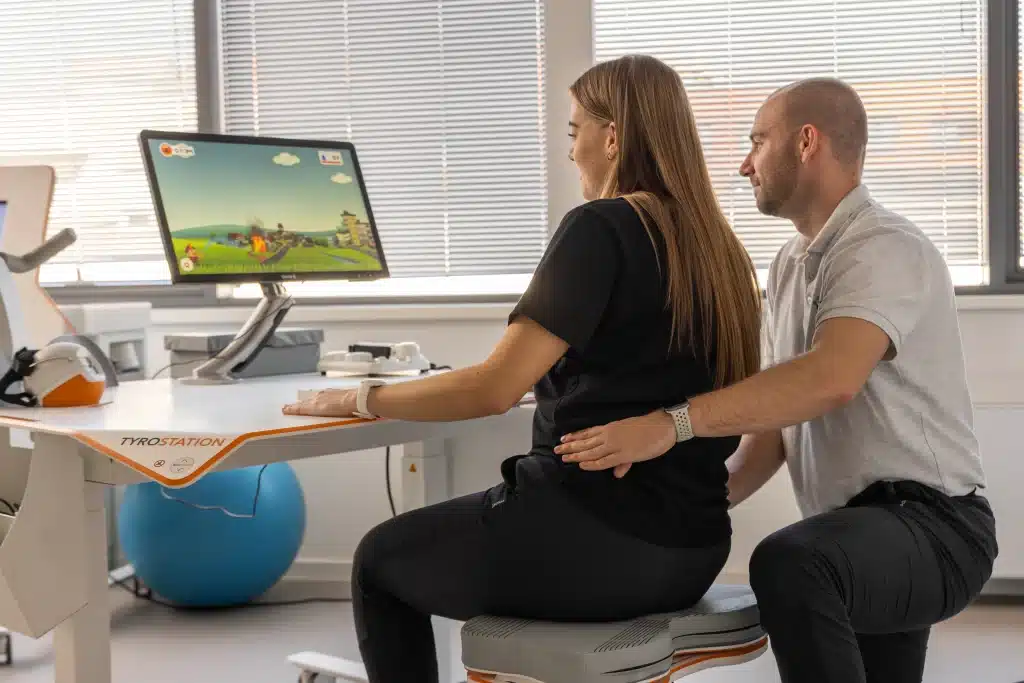
Through individually tailored exercises, therapy focuses on restoring fundamental movement patterns and activating the affected side of the body.
Therapy may include:
- balance and stability exercises
- gait training
- core muscle activation
- coordination exercises
- movement mobilization and control
- functional activities tailored to the individual patient
The Role of Occupational Therapy in Everyday Functioning
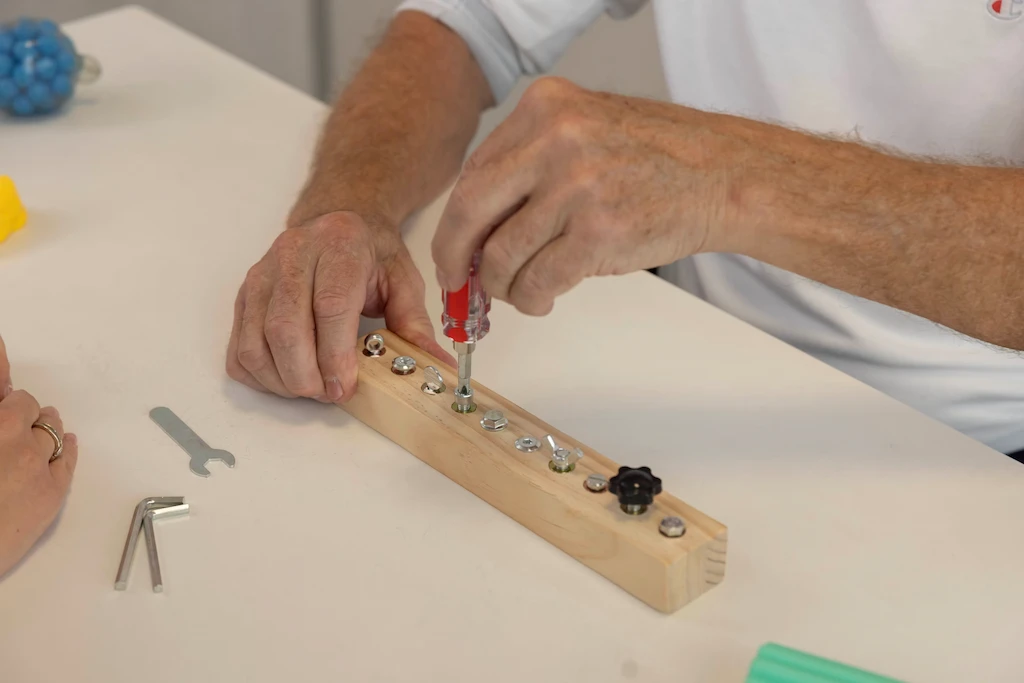
The goal of occupational therapy is to help individuals regain as much independence as possible in activities such as:
- dressing
- eating
- personal hygiene
- writing
- using everyday objects
- household activities
How Does Robotic Rehabilitation Help?
What Is Neuroplasticity and Why Is It Important?
For individuals with hemiparesis after stroke, robotic devices can help with:
- activating the affected arm or leg
- improving movement coordination
- increasing range of motion
- balance training
- monitoring progress through objective outcome measures
How Long Does Recovery After a Stroke Take?
- the extent of brain damage
- how soon rehabilitation begins
- overall health status
- consistency of therapy
- motivation and ongoing effort
It is important to emphasize that recovery often takes months, and sometimes even longer, which is why continuity and professionally guided therapy are essential.
An Individualized Approach as the Key to Rehabilitation
Every person recovering from a stroke has different needs and abilities, which is why rehabilitation should be tailored to the individual.
A combination of physical therapy, occupational therapy, and robotic rehabilitation provides a comprehensive approach to recovery that is adapted to each person’s specific needs.
Properly guided rehabilitation can significantly improve quality of life, safety during movement, and the level of independence of individuals living with hemiparesis after stroke.
Looking for Rehabilitation After a Stroke?
Every recovery journey is unique — and we are here to support you every step of the way.
Schedule an appointment and together we will create a rehabilitation program tailored to your needs and goals.