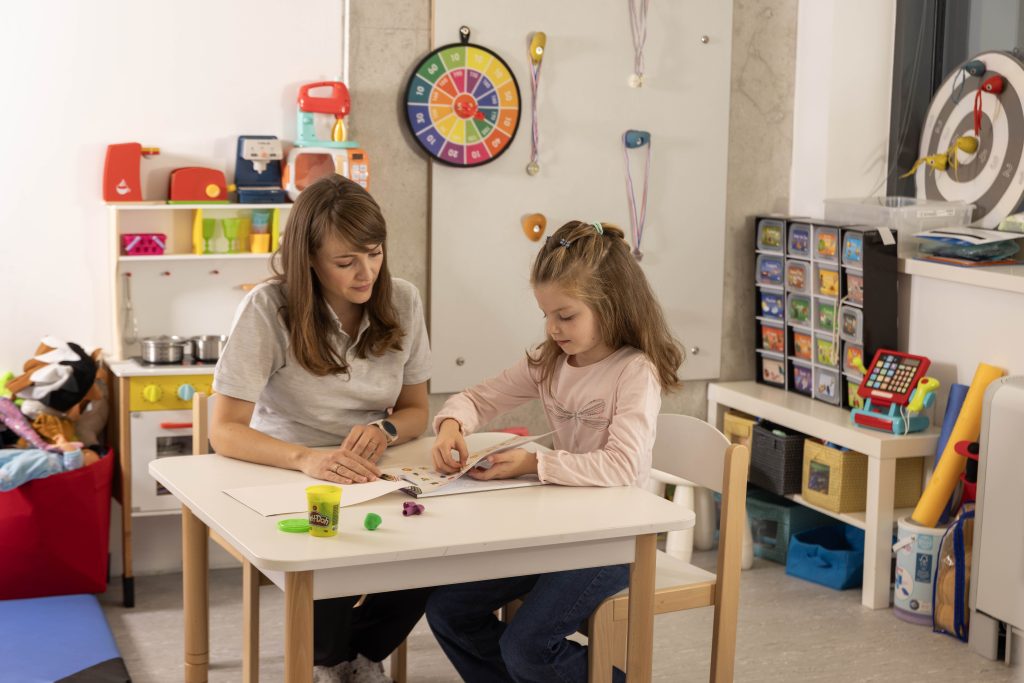

Play and child development are inseparably connected — play is not just a way for children to spend their time; it is their primary way of learning, expressing themselves, and understanding the world. Through play, children explore their environment, build relationships, learn to solve problems, and develop self-confidence.
Play is also a way for children to process emotions, connect with others, and develop essential skills that will benefit them throughout their lives.
That is why play is often referred to as “the work of childhood” — because it is through play that much of a child’s development takes place.
How Does Play Support a Child’s Development?
When a child plays, they are not only having fun but also learning on multiple levels at the same time. Play helps children:
- develop motor skills and movement coordination
- understand and express emotions
- learn to communicate and cooperate with others
- develop attention, concentration, and thinking skills
- build imagination, creativity, and self-confidence
It is important to understand that play supports the development of the whole child — their body, emotions, social skills, and way of thinking.
Play and Motor Development
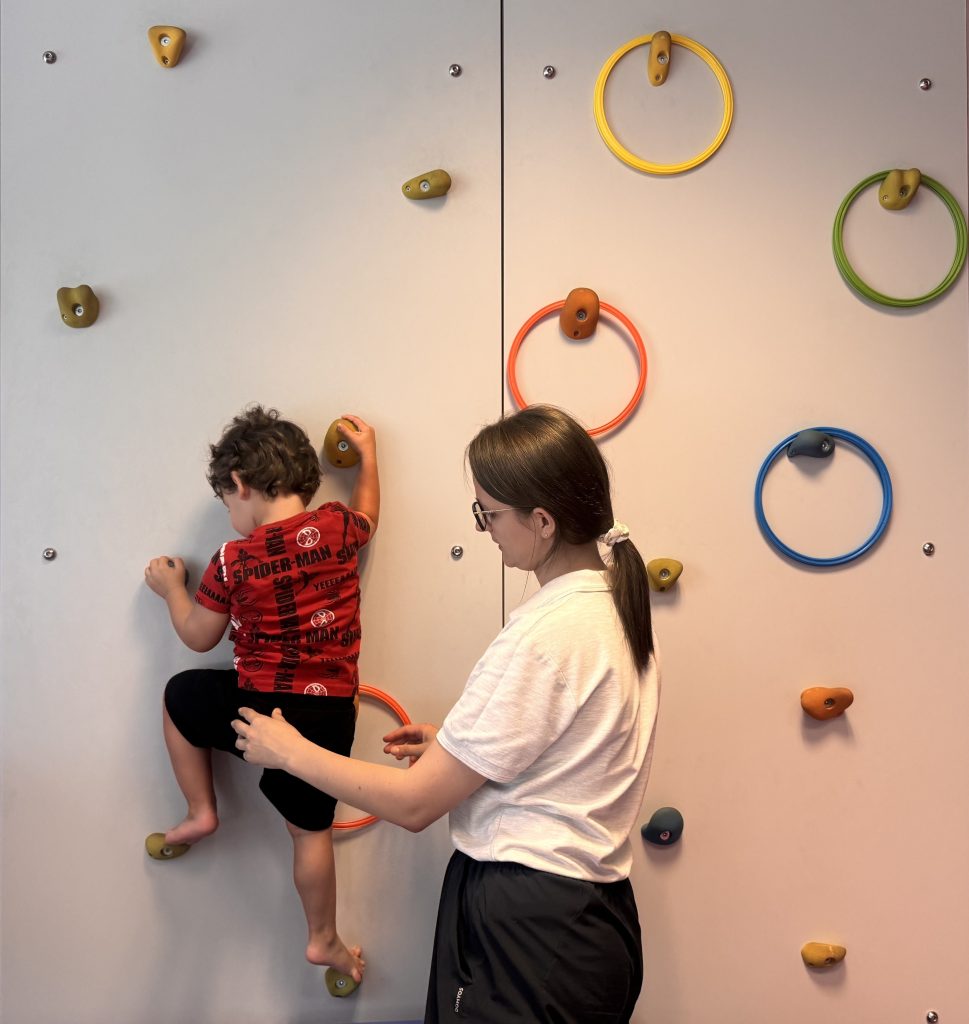
Through running, jumping, climbing, and active play, children develop strength, balance, and coordination. These activities not only strengthen the body but also support brain development.
Activities such as jumping, climbing, cycling, and playing on playgrounds encourage the development of both fine and gross motor skills while improving movement control.
This type of play also engages proprioception — the sense that helps a child understand where their body is in space and how it is moving.
Play and Social Skills
- empathy
- cooperation
- conflict resolution skills
- a sense of belonging
Play and Emotional Development
- learn to regulate their emotions
- develop resilience
- learn how to respond to success and failure
- build self-confidence
Play and Cognitive Development
- memory
- concentration
- logical thinking
- planning skills
Play and Creativity
- encourages creative thinking
- builds self-confidence
- helps children express themselves
- develops flexibility in thinking
Why Is It Important to Play Together with Your Child?
- strengthens emotional bonds
- helps children feel safe and loved
- supports the development of language and communication skills
- gives children a sense of support and attention
Types of Play and Their Role
- free (unstructured) play — promotes imagination and independence
- structured play — teaches rules, routine, and cooperation
- independent play — encourages focus and self-reliance
- group play — develops social skills
Conclusion
Play and child development are inseparable — play is the foundation that connects the body, brain, emotions, and relationships with others. Through play, children learn how to move, how to think, how to communicate, and how to understand themselves and others.
That is why play is much more than entertainment — it is the most important tool through which a child becomes a confident, independent, and capable individual.
Concerned About Your Child’s Development?
At our clinic, we provide professional developmental assessments and individualized rehabilitation
programs tailored to each child’s needs.
Schedule an appointment and help your child develop with greater confidence and self-assurance.