
Physical therapy helps with pain, injuries and reduced mobility, as well as recovery after surgery. Its aim is to relieve symptoms, improve function and make it easier to return to everyday activities.
At Poliklinika SILAB, we provide individualised physical therapy and rehabilitation tailored to each patient’s health condition and goals. We combine therapeutic exercises, manual techniques and physical therapy modalities according to individual needs.
Who Is Physical Therapy For?
Physical therapy is intended for people experiencing back, neck or joint pain, limited mobility or difficulties with everyday activities. It is also used during recovery from injuries, fractures and surgery, and for certain neurological conditions.
What Does Physical Therapy at Poliklinika SILAB Involve?
Rehabilitation begins with a discussion of your symptoms, a review of medical records and a functional assessment. When needed, a physiatrist consultation is included to help determine further recommendations.
Based on the assessment, we develop an individual therapy plan that may include targeted exercises and additional physical therapy modalities. We monitor progress and adjust treatment throughout rehabilitation, with the patient actively involved in the process.
Which Physical Therapy Methods Do We Use?
The choice and combination of methods depend on the diagnosis, functional abilities and rehabilitation goals. Our methods include:
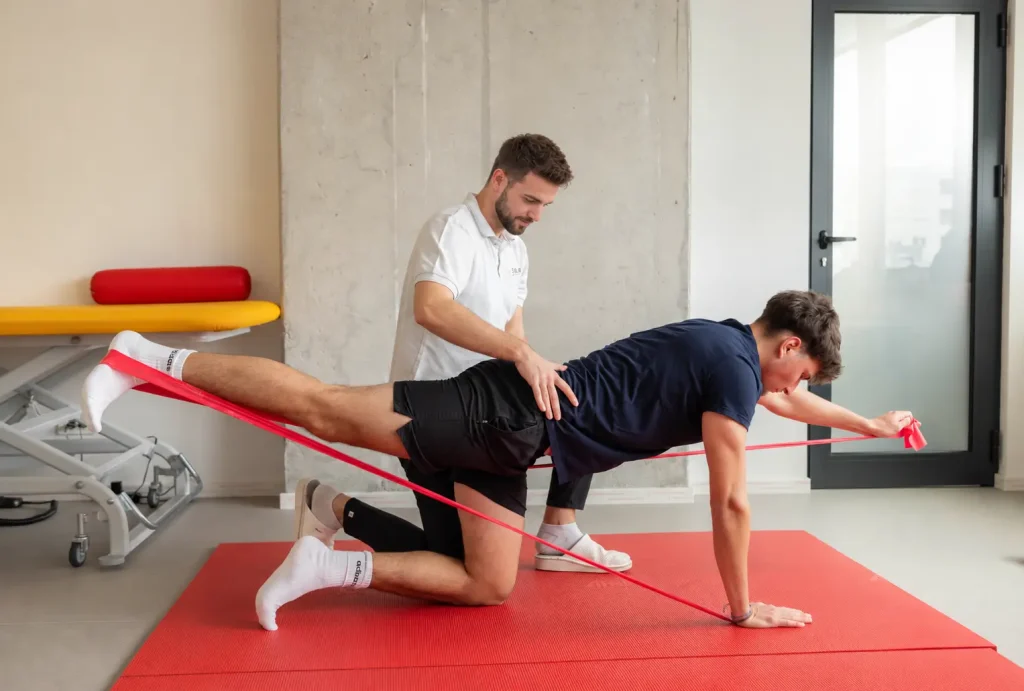
- Kinesiotherapy – targeted therapeutic exercises to improve mobility, strength, stability and movement control.
- DNS therapy – an approach based on developmental kinesiology, focusing on core stability and movement control.
- Bobath therapy – a rehabilitation approach for neurological impairments, focusing on functional movement and everyday activities.
- TECAR therapy – an adjunct physical therapy modality for certain painful and musculoskeletal conditions.
- Electrotherapy – electrical stimulation used to complement rehabilitation for selected painful and neuromuscular conditions.
Depending on the patient’s needs, we also use manual therapy techniques and other physical therapy modalities, such as therapeutic ultrasound, magnetotherapy and dry needling, combining them in line with the individual rehabilitation plan.
Why Choose Poliklinika SILAB for Physical Therapy?
Our approach is based on individual assessment, professionally guided therapy and progress monitoring. We tailor treatment methods to each patient, their abilities and the activities they want to return to.
When indicated, physical therapy can also be complemented by robotic rehabilitation to provide additional practice of movement, balance and coordination. Conventional therapy and robotics complement each other within an individual rehabilitation plan.
Frequently Asked Questions About Physical Therapy (FAQ)
1. When should I start physical therapy?
Physical therapy may be recommended for pain, reduced mobility, injuries, recovery after surgery and certain neurological conditions. When to begin depends on the diagnosis and health condition.
2. What happens during my first physical therapy appointment at Poliklinika SILAB?
We discuss your symptoms, review available medical records and assess your functional abilities. Based on the findings and recommendations, we plan an individual therapy programme.
3. How many physical therapy sessions will I need to recover?
The number of sessions depends on the type of problem, stage of recovery and individual progress. We adjust the therapy plan throughout rehabilitation.
4. Can physical therapy help with chronic back and neck pain?
Yes, it can be an important part of managing chronic spinal pain. Depending on the cause, treatment may include targeted exercises and other methods to improve mobility and function.
5. Do I need a physiatrist examination before starting physical therapy?
A physiatrist examination is recommended when further assessment of symptoms or a rehabilitation plan is needed. If you already have a medical report and a doctor’s recommendation, our team can take them into account; the need for an examination depends on your condition.