Gait rehabilitation after neurological injuries is an important part of recovery, as the ability to move safely has a direct impact on independence, safety, and quality of life. Neurological conditions often lead to difficulties with balance, coordination, and movement control, which can make walking unsafe, slower, or more challenging.
The goal of rehabilitation is not only to restore movement but also to help individuals move more safely and perform everyday activities with greater ease.
How Do Neurological Injuries Affect Walking?
- maintaining balance
- movement coordination
- muscle activation
- control of the foot and leg
- core stability
- walking safely
- stroke
- brain or spinal cord injuries
- neurological diseases
- traumatic injuries
- other conditions affecting the nervous system
Why Is Early Rehabilitation Important?
Early rehabilitation can help:
- improve movement control
- reduce the development of abnormal gait patterns
- increase stability and safety
- promote activation of the weakened side of the body
- enhance independence in daily life
What Does Gait Rehabilitation Involve?
The Role of Physical Therapy in Gait Rehabilitation
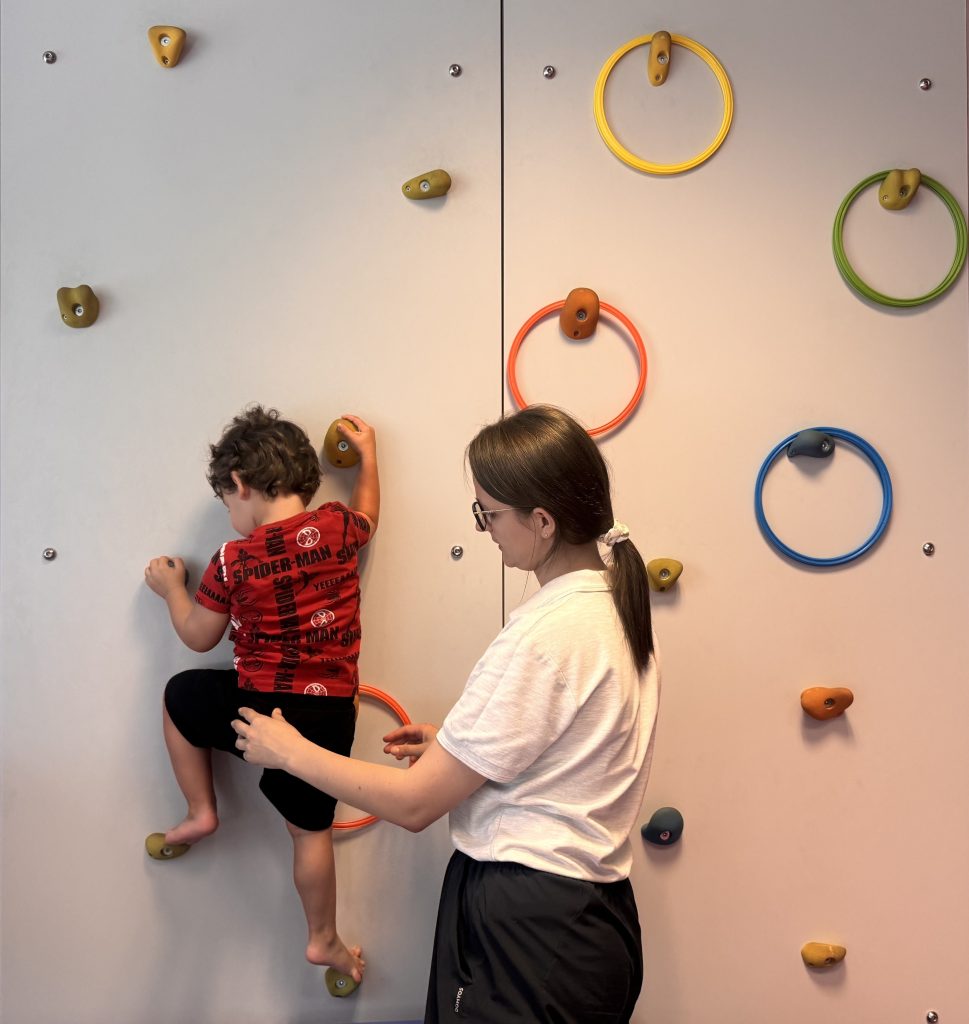
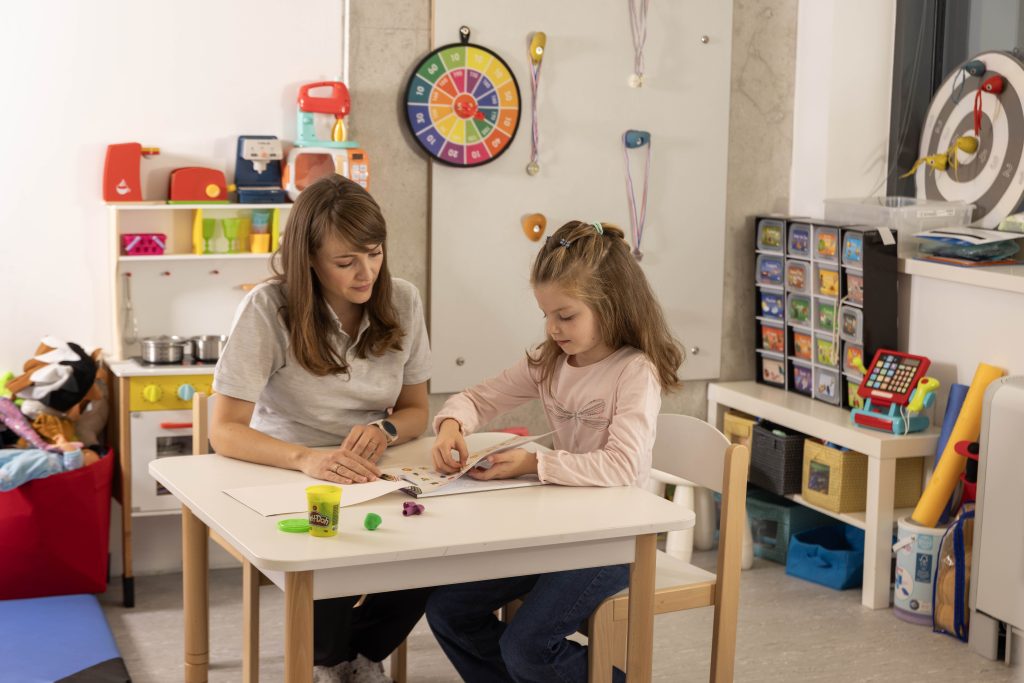
Physical therapy is the foundation of gait rehabilitation following neurological injuries. Treatment is tailored to the patient’s abilities and current condition, with the goal of gradually improving stability, movement control, and safety during walking.
Therapy may include:
- balance exercises
- weight-shifting training
- activation of the leg and core muscles
- coordination exercises
- training of proper gait patterns
- functional activities related to walking
Core stability is particularly important because it provides better body control and contributes to safer walking.
How Does Robotic Rehabilitation Help?
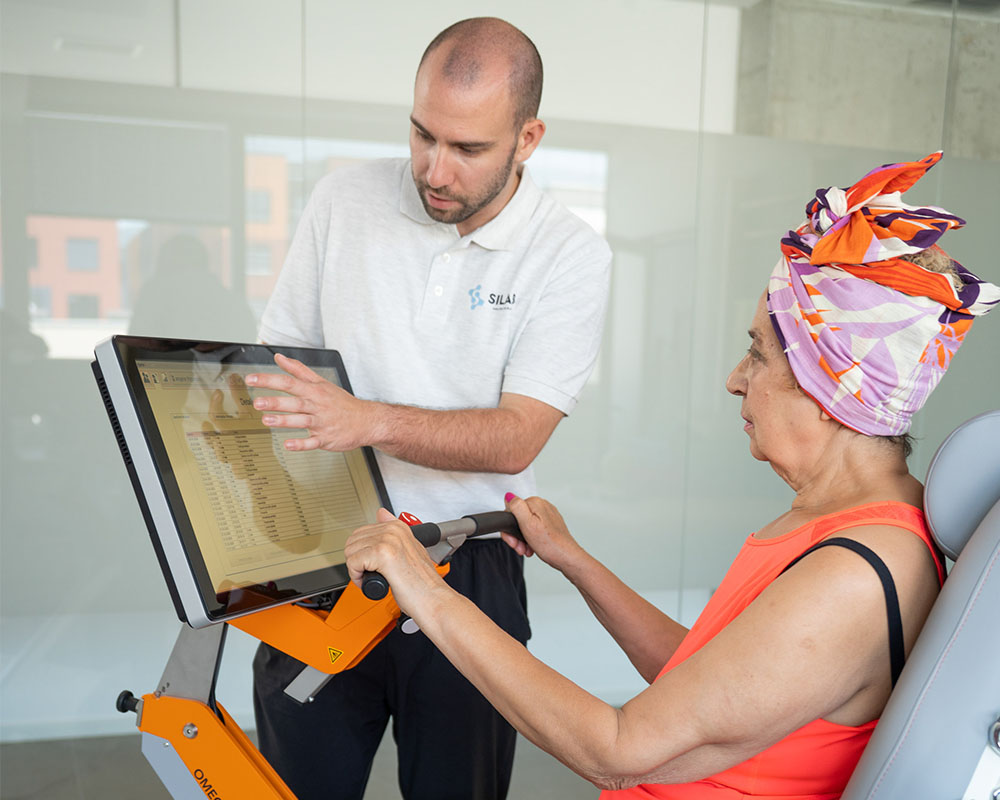
Robotic rehabilitation enables more intensive and precisely guided gait training, especially during the early stages of recovery when the patient requires additional support.
Robotic devices can help with:
- repeating correct movement patterns
- supported gait training
- activation of weakened muscles
- improving balance and coordination
- increasing safety during therapy
A large number of controlled repetitions is important for promoting neuroplasticity, that is, the ability of the nervous system to adapt and re-establish functions important for movement.
Robotic rehabilitation does not replace the therapist, but rather enables higher-quality and more intensive training tailored to the patient’s abilities.
What Is the Goal of Gait Rehabilitation?
- safer mobility
- better balance
- a more stable gait pattern
- greater independence
- safety during everyday activities
An Individualized Approach in Neurorehabilitation
Every neurological injury and every patient requires an individually tailored rehabilitation approach.
A combination of physical therapy and robotic rehabilitation enables work toward specific functional goals and the gradual restoration of independence.
Properly guided gait rehabilitation can significantly improve mobility safety, everyday functioning, and quality of life.
Neurorehabilitation
If you are experiencing difficulties with walking, balance, or mobility safety following a neurological injury, an individually tailored rehabilitation program can help gradually restore function and independence.
Contact us to learn more about the possibilities of neurorehabilitation and our individualized therapeutic approach, and schedule an assessment appointment.