What Is Praxis?
Praxis is the ability to generate an idea, plan and carry out new, purposeful movements. It enables a child to imagine what they want to do, organise the necessary actions and perform the movement needed to achieve their goal.
Praxis in children is essential for the development of motor skills, independence and successful participation in everyday activities.
Praxis involves three interconnected processes:
- Ideation – forming an idea for an activity.
- Motor planning – organising how the required movements will be performed and in what sequence.
- Execution – carrying out the movement and adapting it during the activity.
Through praxis, children gradually acquire new motor skills, from taking their first steps and using a spoon to riding a bicycle, writing or tying their shoelaces. With experience and repetition, these movements become more confident and automatic.
Praxis and Sensory Integration
The development of praxis relies on the brain’s ability to receive, organise and integrate information from the sensory systems.
The following systems play an important role:
- the tactile system (touch)
- the proprioceptive system (body position and movement)
- the vestibular system (balance and spatial orientation)
When these systems work together effectively, they help a child understand their body, the space around them and their movements, making it easier to learn new skills. This is why praxis is closely linked to sensory integration.
Praxis is important not only for movement but also for everyday functioning. It helps children organise activities, plan sequences of actions, initiate tasks and develop independence at home, in preschool and at school.
How Can You Recognise Praxis Difficulties in Children?
Children with praxis difficulties may need more time and repetition to learn new skills. They may find it difficult to organise their movements, learn new activities or adapt to unfamiliar situations.
Possible signs include:
- difficulty learning new motor skills
- clumsiness, frequent tripping or falling
- difficulties with balance and coordination
- difficulty with activities such as dressing, drawing, writing or using scissors
- difficulty planning and carrying out activities that involve several steps
- needing more time and practice than peers
- avoiding activities that require more complex motor skills.
One sign on its own does not necessarily indicate a praxis difficulty. It is important to consider how often the difficulties occur and whether they affect the child’s play, learning, independence and everyday functioning.
How Can You Support the Development of Praxis in Children?
The development of praxis can be supported through play, exploration and everyday experiences.
Helpful activities include:
- sensory play with different materials
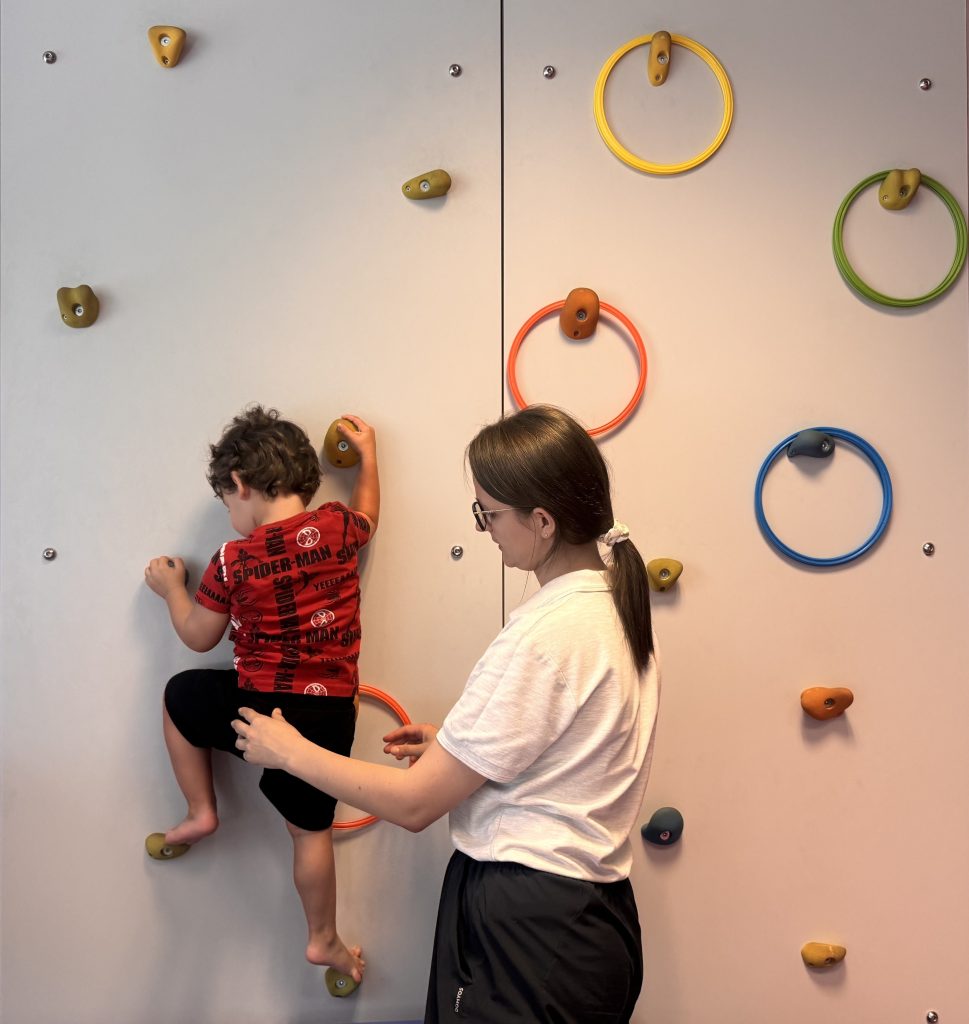
- climbing, crawling, jumping and obstacle courses
- building and construction activities
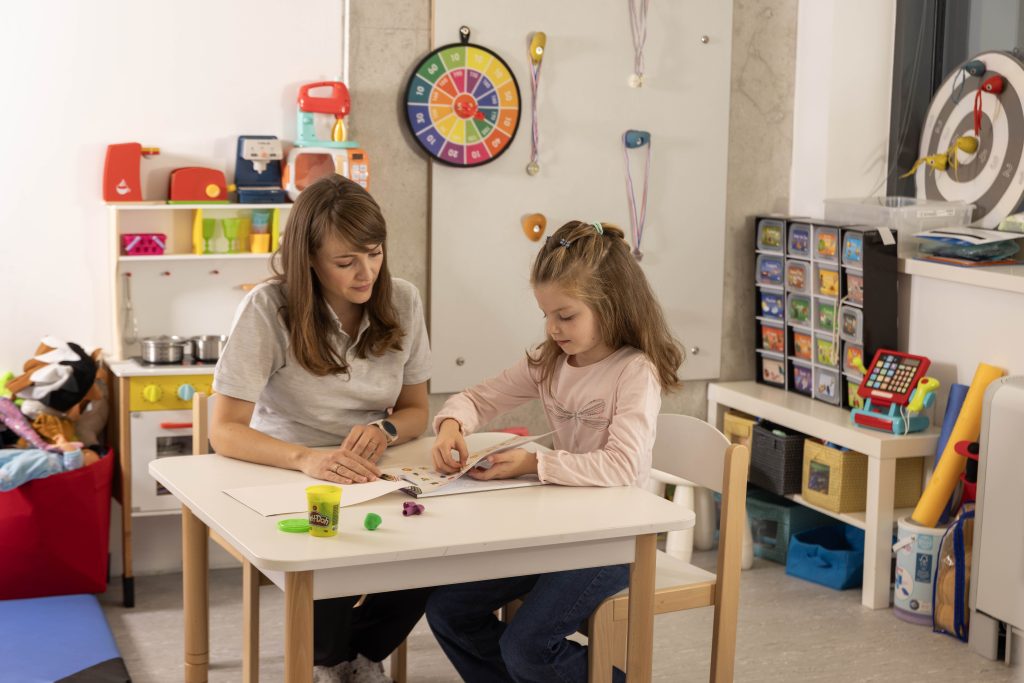
- drawing, cutting and modelling
- involving the child in everyday activities at home.
When teaching a new skill, it can be helpful to break the task down into smaller steps, demonstrate how to perform it and give the child enough time to try, practise and repeat it.
When Should You Seek Support from an Occupational Therapist?
If a child has significant difficulty learning new motor skills, or if these difficulties affect everyday functioning at home, in preschool or at school, an assessment by an occupational therapist trained in sensory integration is recommended.
Through occupational therapy, it is possible to assess how a child plans and carries out movements and how these abilities affect the activities that matter in their daily life.
Early support can help a child develop motor skills, independence and confidence in their own abilities.
If you notice that your child has difficulty learning new motor skills, planning movements or taking part in everyday activities, you can contact SILAB Polyclinic to learn more about occupational therapy assessment and sensory integration therapy.