Physical therapy for scoliosis can play an important role in relieving symptoms and improving everyday functioning. Scoliosis is a condition characterised by a sideways curvature of the spine, most commonly forming an “S” or “C” shape. Although mild cases may not cause noticeable symptoms, more pronounced curves can lead to discomfort, reduced mobility and, in severe cases, breathing difficulties.
Physical Therapy for Scoliosis – How Can It Help?
Physical therapy is one of the non-surgical approaches used in the management of scoliosis. Although it is not always possible to fully correct the spinal curvature, individually tailored exercises and therapeutic techniques can help improve everyday functioning and quality of life.
Depending on the characteristics of the scoliosis, a treatment programme may focus on improving posture, strengthening muscles, increasing mobility, relieving pain and developing better movement control.
1. Improving Posture and Body Alignment
Scoliosis can affect the position of the shoulders, pelvis and torso, leading to an uneven distribution of load across the muscles and joints.
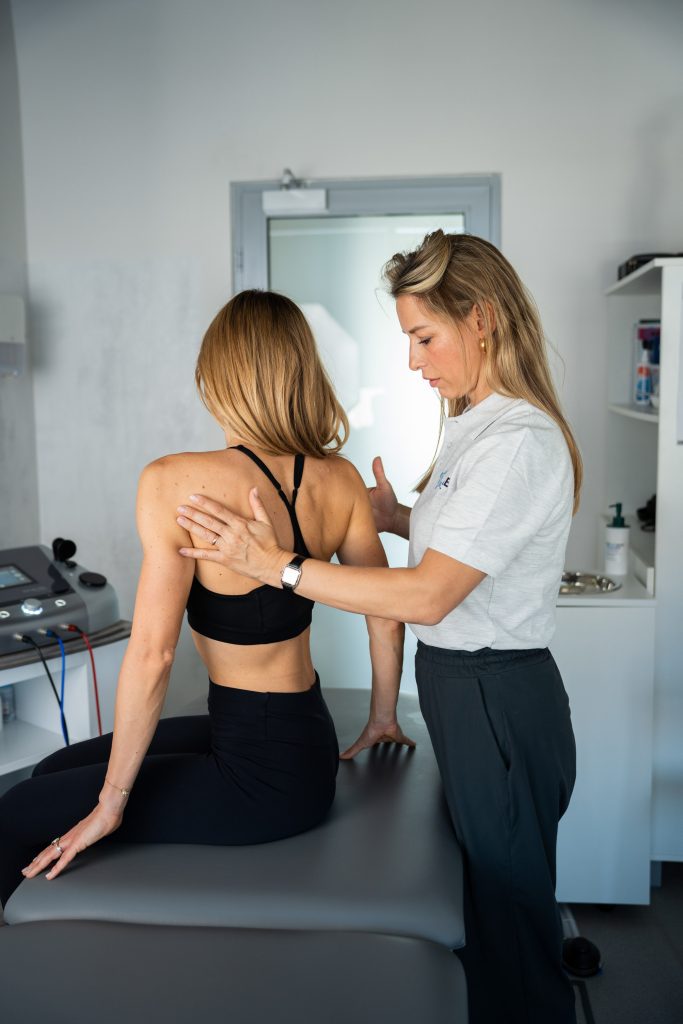
Physiotherapists assess how the body moves and identify muscle imbalances associated with the spinal curvature. Through targeted exercises and postural training, patients develop greater awareness of their body position and better movement control. This can help reduce unnecessary strain on the muscles and joints during everyday activities.
2. Strengthening the Muscles That Support the Spine
People with scoliosis may experience imbalances in muscle activity, with some muscle groups becoming weaker while others are tense or overworked.
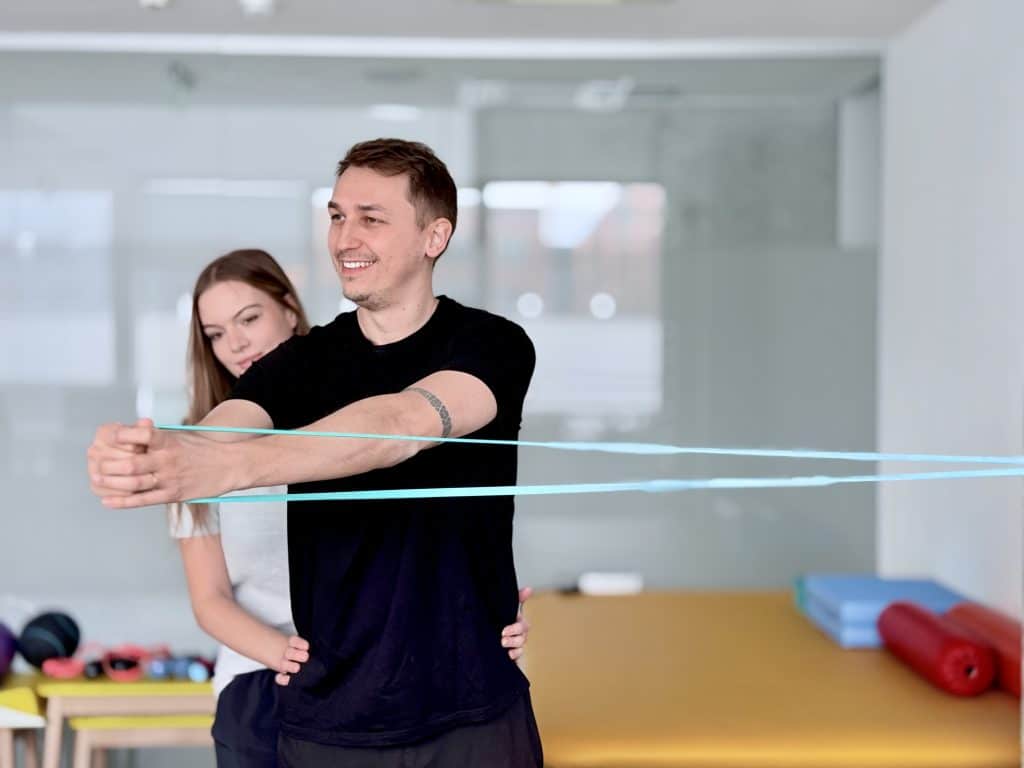
Exercises for scoliosis may include targeted strengthening of the core and back muscles to improve spinal stability and movement control.
Stronger, more functional muscles provide better support for the spine and may help reduce discomfort during everyday activities.
3. Improving Flexibility and Mobility
Muscle tension and restricted mobility can occur in people with scoliosis, particularly around the spine, hips and shoulders.
Stretching and mobility exercises are used to improve flexibility, reduce stiffness and promote more balanced movement.
The aim is to allow freer movement and make everyday activities involving trunk mobility easier to perform.
4. Relieving Pain and Muscle Tension
Although scoliosis does not always cause pain, some people may experience back discomfort, muscle fatigue and a feeling of tension.
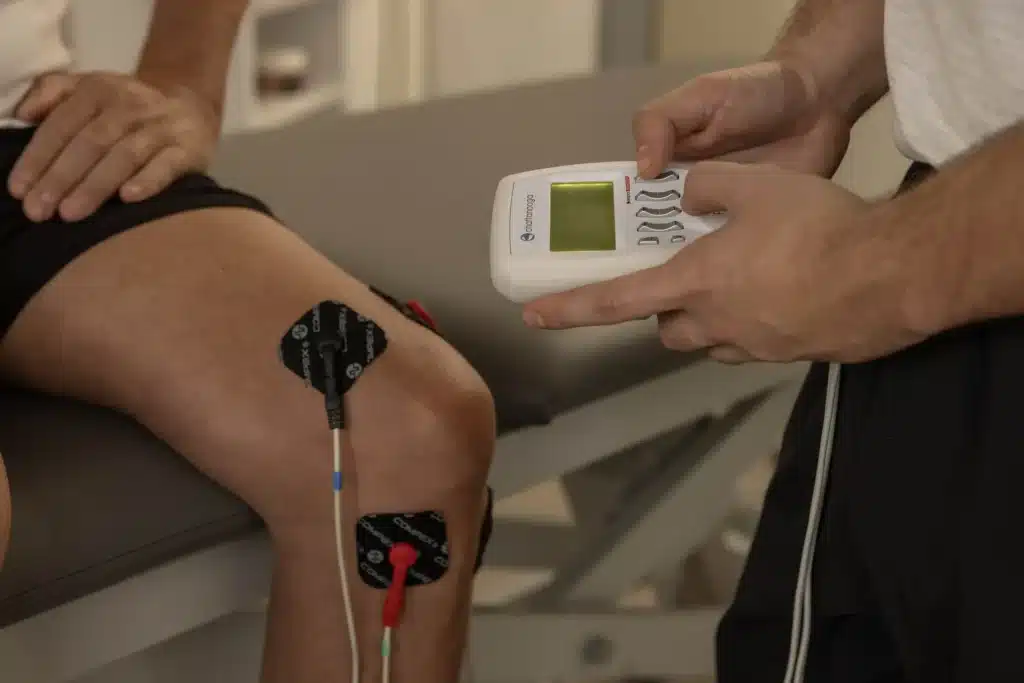
Physical therapy may include various treatment methods, such as manual therapy, soft tissue techniques and individually tailored therapeutic exercises.
These approaches aim to relieve pain, reduce muscle tension and improve function, depending on the patient’s symptoms and individual needs.
5. Breathing Exercises and Functional Training
In more pronounced cases of scoliosis, changes in the position of the spine and rib cage may affect breathing mechanics and lung function.
In such cases, a treatment programme may include breathing exercises designed to improve chest mobility, breathing control and endurance.
Functional training can further help patients develop the strength, coordination and movement control needed for everyday activities.
6. Monitoring Scoliosis and Preventing Curve Progression
Monitoring scoliosis is particularly important in children and adolescents who are still growing, as the spinal curvature may progress during this period.
For certain types of scoliosis, specific therapeutic exercises may help improve curve control and reduce the risk of progression.
Regular professional assessments allow changes to be monitored and the treatment approach to be adjusted when necessary.
It is important to note that physical therapy cannot prevent scoliosis from progressing in every case. Treatment decisions should therefore be made on an individual basis.
Why Is an Individualised Approach to Scoliosis Treatment Important?
There is no single exercise programme that is suitable for everyone with scoliosis.
The type and degree of spinal curvature, the patient’s age, the presence of symptoms and their functional abilities are all important factors when selecting an appropriate treatment approach.
Individually tailored physical therapy can help improve muscle strength, stability, mobility and quality of everyday life.
At Poliklinika SILAB, rehabilitation is based on an individualised approach, with treatment methods planned according to each patient’s needs and abilities.
For more information about physical therapy and rehabilitation at Poliklinika SILAB, please feel free to contact us.
Every Spine Requires an Individualised Approach
Scoliosis varies from person to person, as do the symptoms that may accompany it. That is why a professional assessment is an important first step in determining the most appropriate treatment approach.
At Poliklinika SILAB, we tailor rehabilitation to the individual needs and abilities of each patient, with the aim of improving mobility and everyday functioning.
Learn more about physical therapy and the rehabilitation options available at our clinic.